
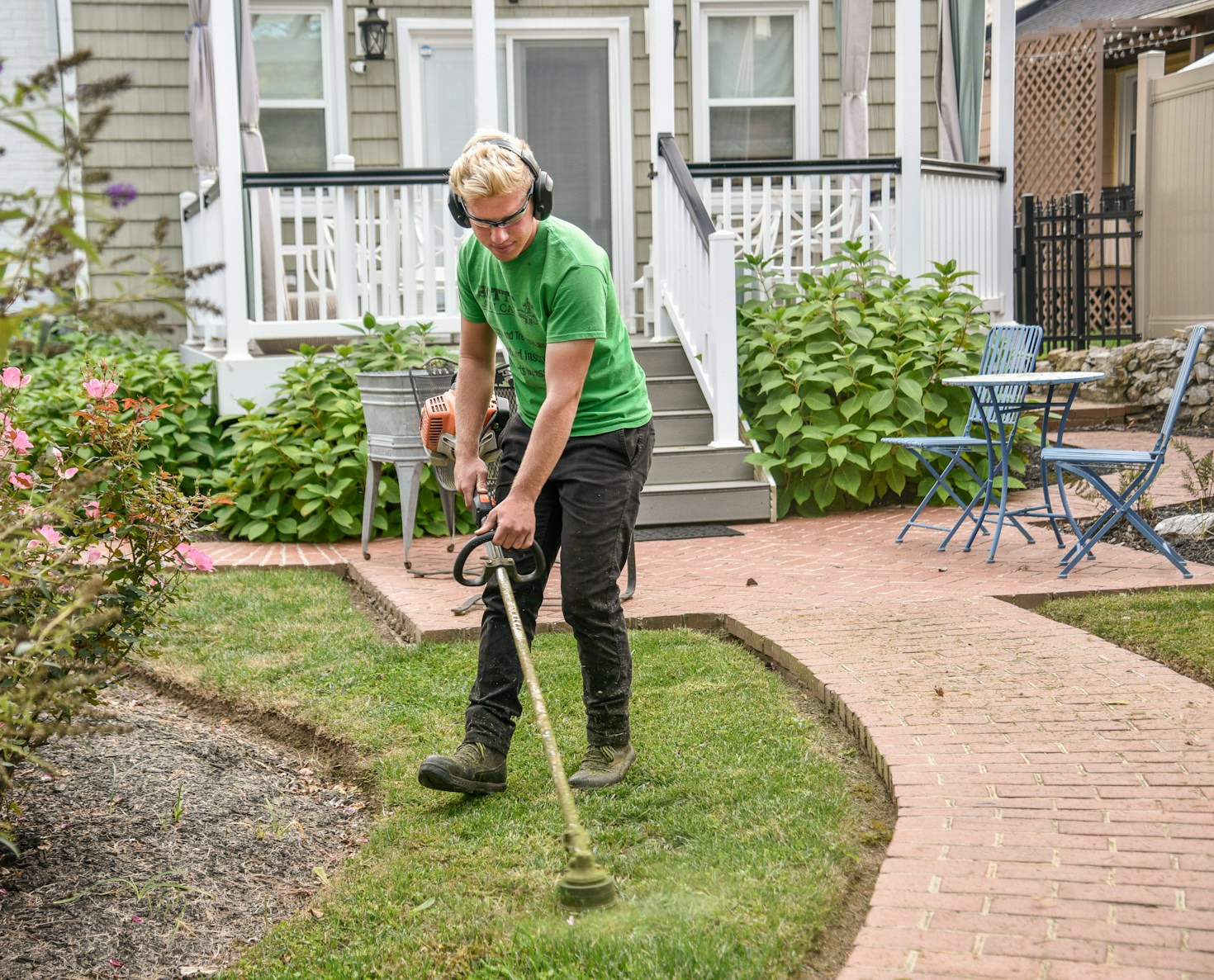
Maintaining outdoor spaces throughout the year requires careful planning, consistent effort, and an understanding of seasonal changes. Whether the grounds are part of a residential property, commercial landscape, or public facility, adopting professional maintenance practices ensures that lawns, plants, and outdoor surfaces remain healthy, safe, and visually appealing all year round.
Sometimes, the simplest momentsOne of the most important principles of effective grounds maintenance is seasonal planning. Each season presents different challenges and opportunities for landscape care. In spring, the focus should be on rejuvenation.
Lawns benefit from aeration and fertilisation to encourage strong growth after winter dormancy. Garden beds should be cleared of debris, and new plants can be introduced to replace those damaged by frost. Early weed control is also essential during this time, as preventing weeds from establishing themselves will reduce maintenance later in the year.
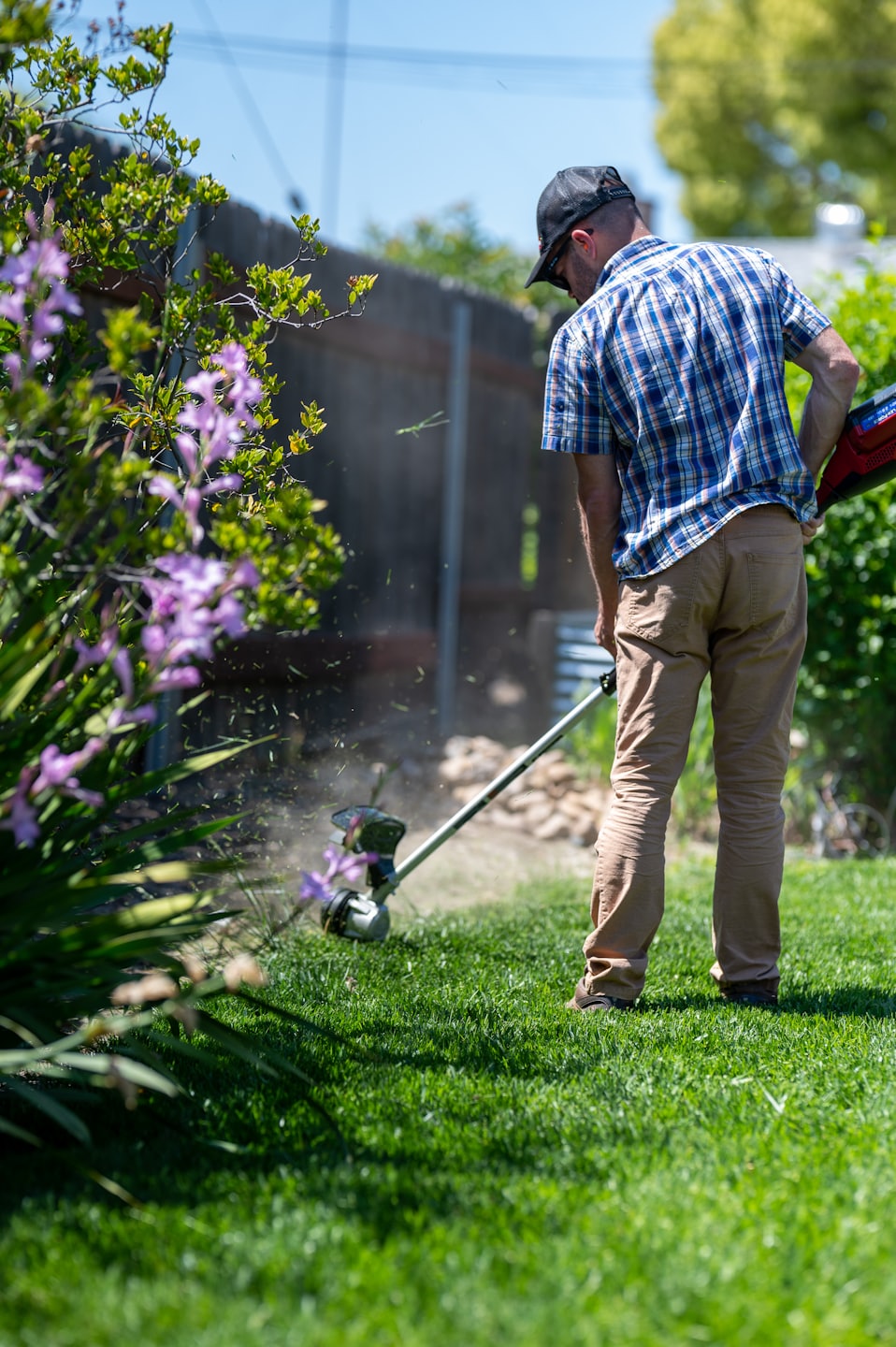
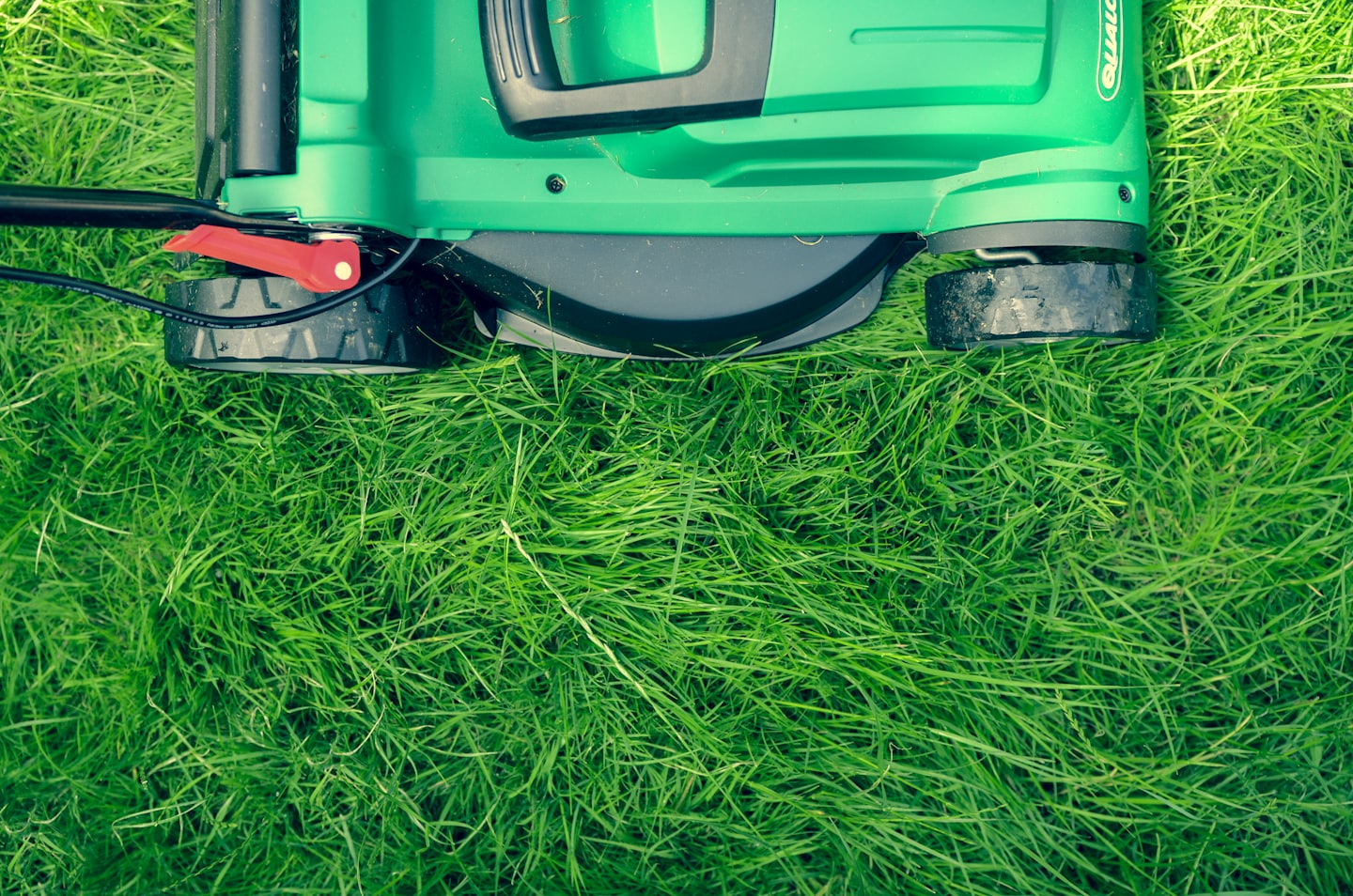
During the summer months, consistent watering and mowing routines become critical. Grass typically grows faster in warmer temperatures, so lawns should be cut regularly but not too short, as excessively short grass can become stressed and more vulnerable to drought. Watering should ideally be done early in the morning or late in the evening to minimise evaporation. Mulching around plants and shrubs is another expert technique that helps retain soil moisture while suppressing weeds.
Autumn is often considered the most important season for long-term lawn health. As temperatures begin to cool, grounds maintenance should focus on preparing landscapes for winter. Fallen leaves should be cleared regularly to prevent them from smothering grass and creating slippery surfaces. This is also an ideal time for overseeding lawns to improve density and repair thin patches. Applying a slow-release fertiliser in autumn provides nutrients that strengthen roots and improve resilience during the colder months.
Winter maintenance is frequently overlooked, yet it plays a crucial role in protecting the landscape. While grass growth slows significantly, grounds should still be inspected regularly. Pruning dormant trees and shrubs during winter can encourage healthier growth in spring. It is also important to monitor drainage and remove debris that could block pathways or water channels. In areas prone to frost or snow, pathways and hard surfaces should be kept clear to maintain safety and prevent long-term damage.
Another expert recommendation for year-round grounds care is investing in the right tools and equipment. Well-maintained lawnmowers, trimmers, hedge cutters, and leaf blowers improve efficiency and produce better results. Equipment should be cleaned and serviced regularly to ensure reliable performance. For larger properties, scheduling routine maintenance checks helps avoid unexpected breakdowns during peak seasons.
Wrapping Up with Key Insights
Finally, sustainable practices are becoming increasingly important in modern grounds maintenance. Using environmentally friendly fertilisers, reducing chemical pesticides, and encouraging biodiversity can improve soil health and support local wildlife. Simple measures such as composting garden waste and planting native species contribute to a more resilient landscape.
In conclusion, successful year-round grounds maintenance relies on understanding seasonal needs, maintaining consistent care routines, and using professional techniques. By planning ahead and adopting sustainable practices, property owners and maintenance teams can ensure that outdoor spaces remain healthy, attractive, and functional throughout every season of the year.
Leave a Reply