
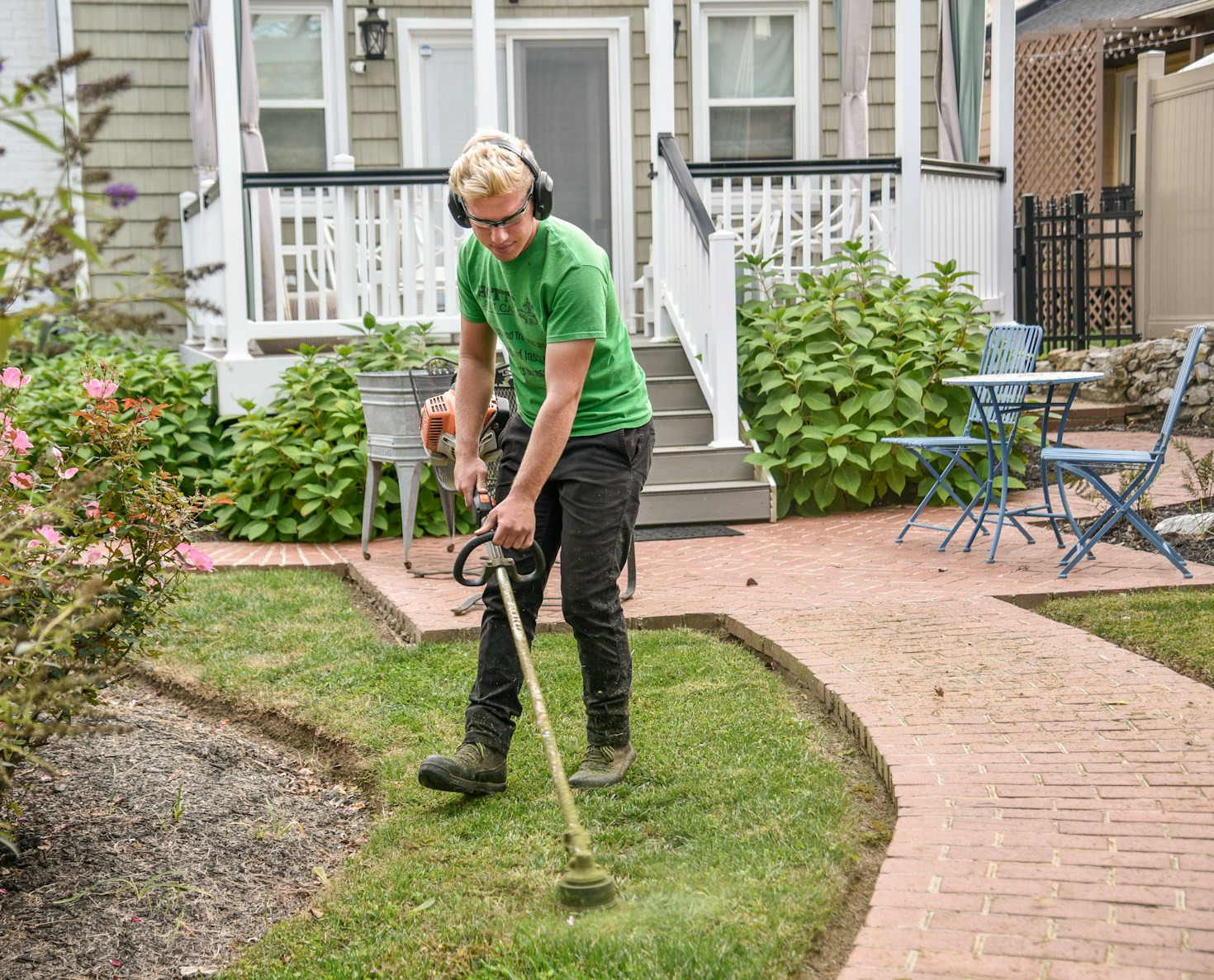
Maintaining healthy lawns and well-shaped hedges throughout the year requires a seasonal approach to garden care. Each season presents different conditions that affect plant growth, soil health, and overall landscape appearance. By adapting maintenance routines to match seasonal changes, property owners can ensure their outdoor spaces remain attractive, healthy, and easy to manage.
Spring is the season of renewal, making it the ideal time to focus on revitalising lawns and hedges after winter. Lawns often suffer from compaction and patchy growth during colder months, so aerating the soil can improve airflow and water absorption. Applying fertiliser in early spring provides essential nutrients that encourage strong, healthy grass growth. Any bare patches in the lawn can be repaired through overseeding. Hedges should also be inspected for winter damage, and light pruning can help remove dead or damaged branches while encouraging new growth.
As temperatures rise during summer, consistent maintenance becomes essential. Lawns typically grow more quickly in warmer conditions, which means they may require more frequent mowing. However, it is important not to cut grass too short, as slightly longer grass helps retain moisture and protect roots from heat stress. Watering is another key consideration during summer months. Lawns and hedges should ideally be watered early in the morning or late in the evening to minimise evaporation and ensure water reaches the roots effectively.
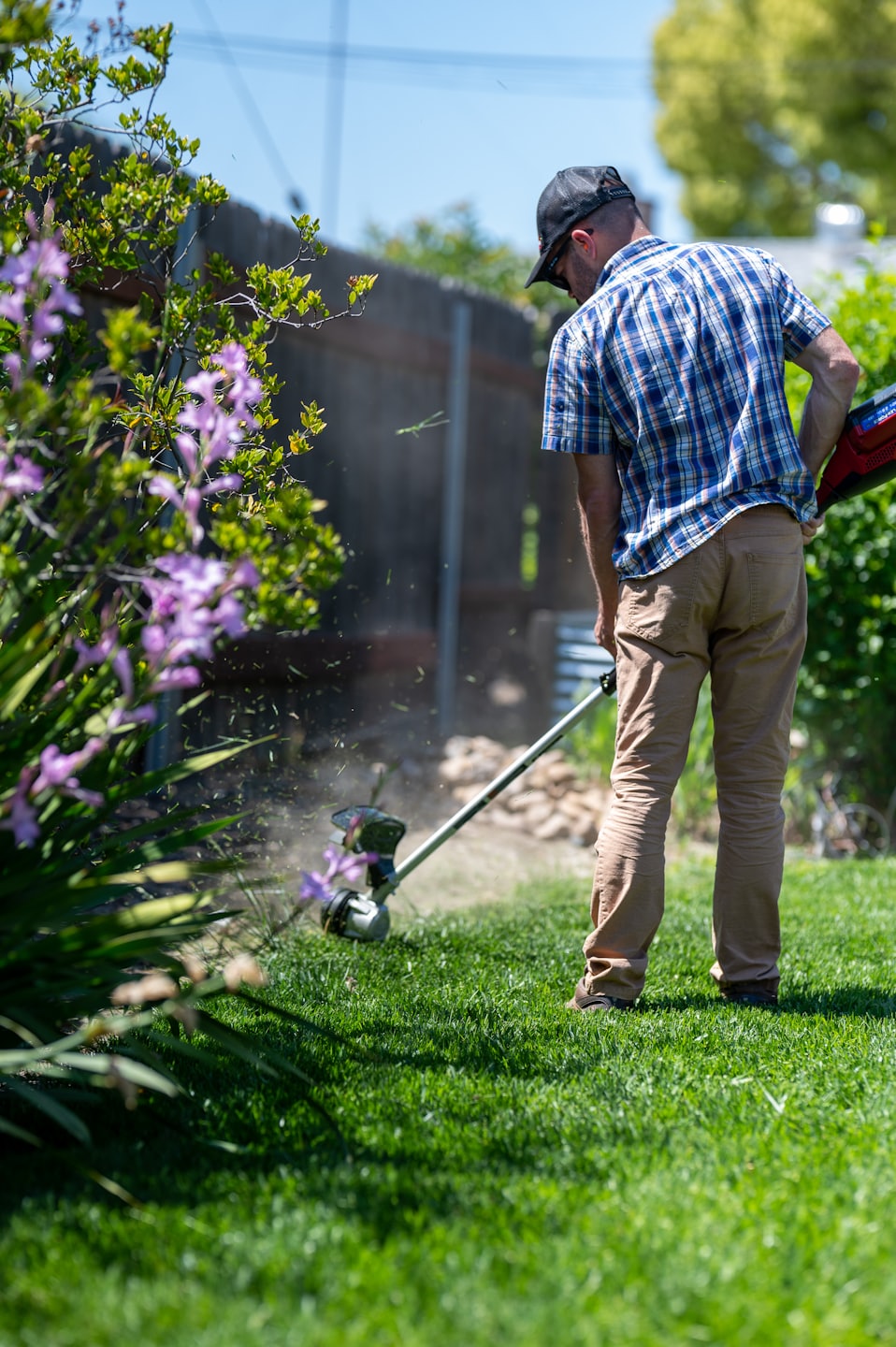
Hedge trimming is often carried out during late spring and summer when plants are actively growing. Regular trimming helps maintain a neat shape and encourages denser growth. When trimming hedges, it is advisable to keep the base slightly wider than the top, allowing sunlight to reach all parts of the plant and preventing thinning at the bottom.
Autumn is a crucial period for preparing lawns and hedges for the colder months ahead. As grass growth begins to slow, it is beneficial to carry out maintenance tasks that strengthen the lawn’s root system. Applying an autumn fertiliser helps provide nutrients that support root development and improve winter resilience. Fallen leaves should be cleared regularly from lawns, as thick layers can block sunlight and trap moisture, potentially leading to fungal issues.
Hedges may require a final trim during early autumn to tidy their shape before winter arrives. However, heavy pruning should generally be avoided at this time, as new growth may be vulnerable to frost damage. It is also a good time to check hedge bases for weeds and ensure the surrounding soil remains healthy and well-drained.
During winter, lawn and hedge growth slows significantly, but basic maintenance is still important. Lawns should be kept clear of debris such as fallen branches or leaves that could damage the grass. Avoid walking on frozen or waterlogged lawns, as this can cause compaction and damage the turf. For hedges, winter can be a suitable time to carry out structural pruning on certain deciduous species while they are dormant, helping to shape the plant and encourage strong growth in the following spring.
Wrapping Up with Key Insights
In conclusion, successful lawn and hedge care relies on understanding how seasonal changes affect plant health and adjusting maintenance routines accordingly. By carrying out the right tasks at the right time of year—such as spring rejuvenation, summer upkeep, autumn preparation, and winter protection—property owners can maintain lush lawns and well-structured hedges that enhance the overall appearance of their landscape throughout the year.
Leave a Reply